
Debt Management Software for Small Business: Complete Guide
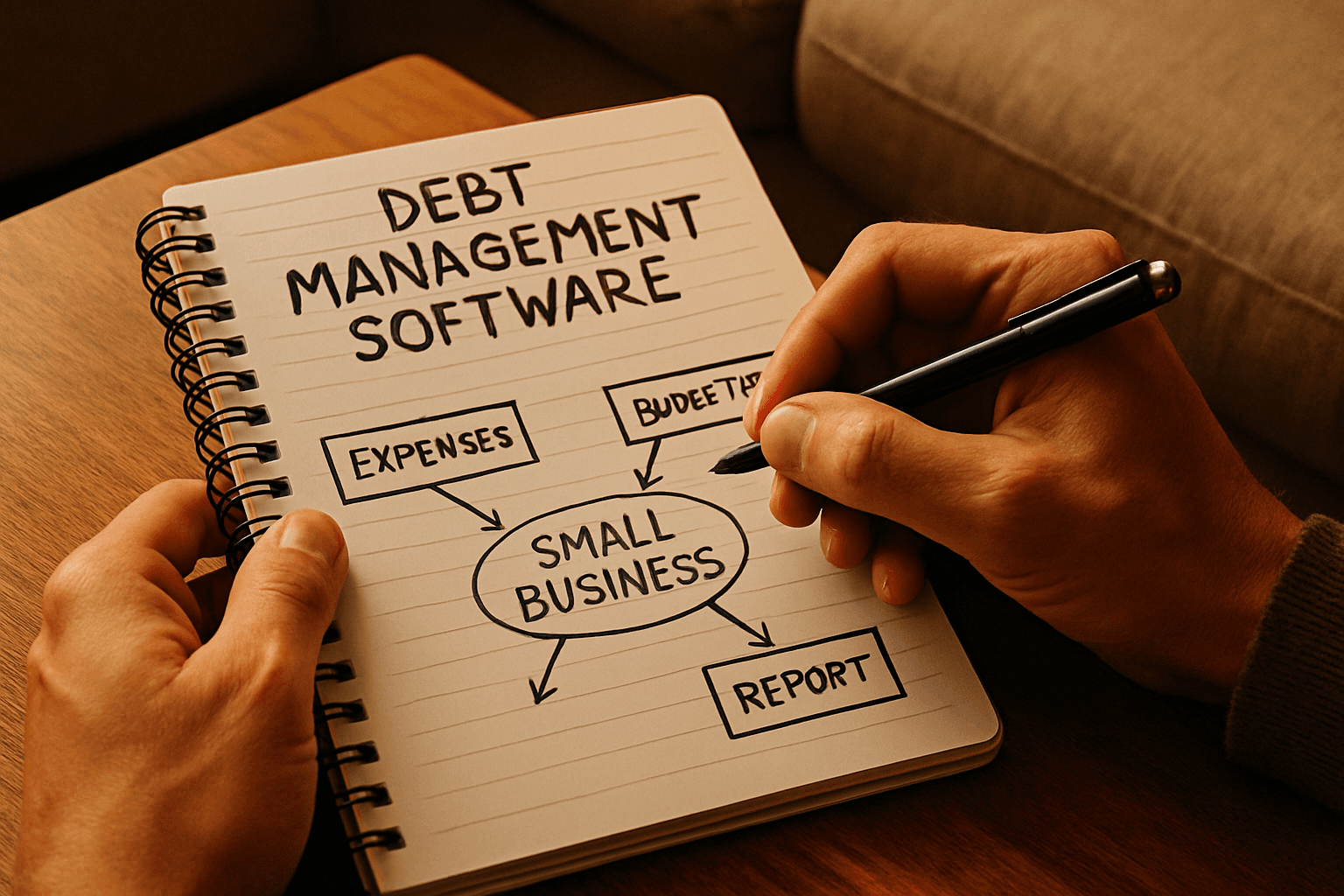
What Debt Management Software Does
Debt management software transforms scattered spreadsheets and manual processes into a unified system that provides real-time visibility into payment schedules, covenant compliance, and portfolio risk while automating routine tasks like payment reminders, document management, and regulatory reporting.
For small businesses, this means moving beyond basic tracking. A debt management tool helps businesses streamline how they track and collect money owed for goods and services, improve accounts receivable processes, and strengthen cash flow. Modern tools go beyond simple reminders and tracking to automate invoicing, payment collection, dunning workflows, reconciliation, forecasting, and analytics.
Key Features to Look For
When evaluating debt management software for small business, focus on these essential capabilities:
Automation and Workflow Management
Automation is a game-changer in modern debt management. It helps businesses reduce manual tasks, increase efficiency, and minimize errors. Look for software that enables automated communication with debtors via email, SMS, or voice messaging, allowing you to reach out to customers efficiently.
It is important that your collections platform allows you to customize your workflows as also provides templates that you can tailor to your business for communication with customers. This flexibility ensures the software works with your existing processes rather than forcing you to rebuild them.
Compliance Management
This is non-negotiable. Different countries and industries have strict debt collection laws and compliance requirements, such as the Fair Debt Collection Practices Act (FDCPA) in the U.S. or GDPR regulations in Europe. Companies failing to adhere to regulations can face penalties exceeding $10 million, as seen in multiple financial institution cases.
Integration with Your Existing Systems
The best debt collection software connects seamlessly with your existing accounting, ERP, and customer relationship management (CRM) systems. This ensures data consistency, reduces manual data entry, and provides a comprehensive view of your entire debt collection efforts. Keeping all of your data in one place is essential for an effective debt collection approach. Ensure that your software can interface with your CRM system, email, ERP/accounting system, and other essential apps.
Reporting and Analytics
Reporting and analytics can be quite important to assess the financial position of the company and improve collections strategies; ensure the software you choose gives you data like aging reports, collections performance, and payment trends. Real-time dashboards help you spot problems early and make faster decisions.
User Interface and Ease of Use
An intuitive interface makes a world of difference in how effectively your team can use the software. Choose a solution that's easy to adopt and navigate, minimizing training time while boosting operational efficiency.
Matching Software to Your Business Needs
There isn't one debt collection software that fits every business. The choice depends on many factors: your portfolio's complexity, regulatory needs, where you operate, and whether you handle early-stage accounts, late-stage recovery, or the whole process.
Choosing the right platform depends on your industry, volume of receivables, and specific collection requirements. A professional services firm collecting from dozens of clients has different needs than a wholesale distributor managing complex credit arrangements.
ROI and Financial Justification
The business case for debt management software is strong. Organizations commonly report operational cost reductions of 40-60% after implementing modern collection software, with many achieving positive ROI within 6-12 months. Businesses using Paidnice reduce their DSO (Days Sales Outstanding) by an average of 25%.
Understanding costs and benefits helps secure buy-in from leadership. Small debt collection agencies should conduct thorough research over the debt collection software to evaluate whether the investment is worthwhile or not. Calculate the total cost spent on implementing the software, including the purchase cost, service charges, and all other related costs. After implementing the software, quantify the financial benefits, such as reduced costs for collection, labor cost and increased collection rate, and avoided legal penalties.
Pricing Models
Pricing varies widely based on features and account volume. Debt collection software vendors typically charge on a monthly or annual basis with limits on the number of accounts and users. The price can range from $40/month/user to over $100/month/user. Cloud-based solutions often provide better scaling flexibility for growing businesses.
Implementation Best Practices
Successful adoption requires more than just buying software. Start with core functionality: Implement basic tracking and compliance before advanced analytics. Maintain parallel systems: Run old and new systems simultaneously during transition period. Focus on data accuracy: Invest time in data cleansing and validation before migration. Train super users: Develop internal experts who can support ongoing operations.
Provide adequate training to your team to ensure they are familiar with the software's features and functionalities. Ensure that all relevant data is accurately migrated to the new system to avoid any disruptions in the collection process. Customize the software's workflows and templates to align with your business processes and policies.
Successful adoption depends on operational readiness. Even the most advanced platform may underperform without defined strategies, clean data, and teams prepared to work with automation and analytics.
Making Your Decision
Start by identifying your biggest pain point—whether that's overdue invoices, compliance risk, or cash forecasting. Integration strategy matters as much as features. Many solutions deliver more value when connected to existing ERPs, CRMs, dialers, payment gateways, or data providers.
Test the software before committing. Most platforms offer free trials or demos that let you evaluate the actual user experience with your team. Talk to current customers about their implementation and ongoing support. The most sophisticated software means nothing if your finance team won't use it or if customer support disappears when you need help.
For small businesses juggling multiple financial obligations, the right debt management software isn't a luxury—it's a practical tool that keeps cash moving, reduces manual work, and helps your team focus on growing the business rather than chasing payments.