
How to Automate Event Planning with AI: Complete Guide
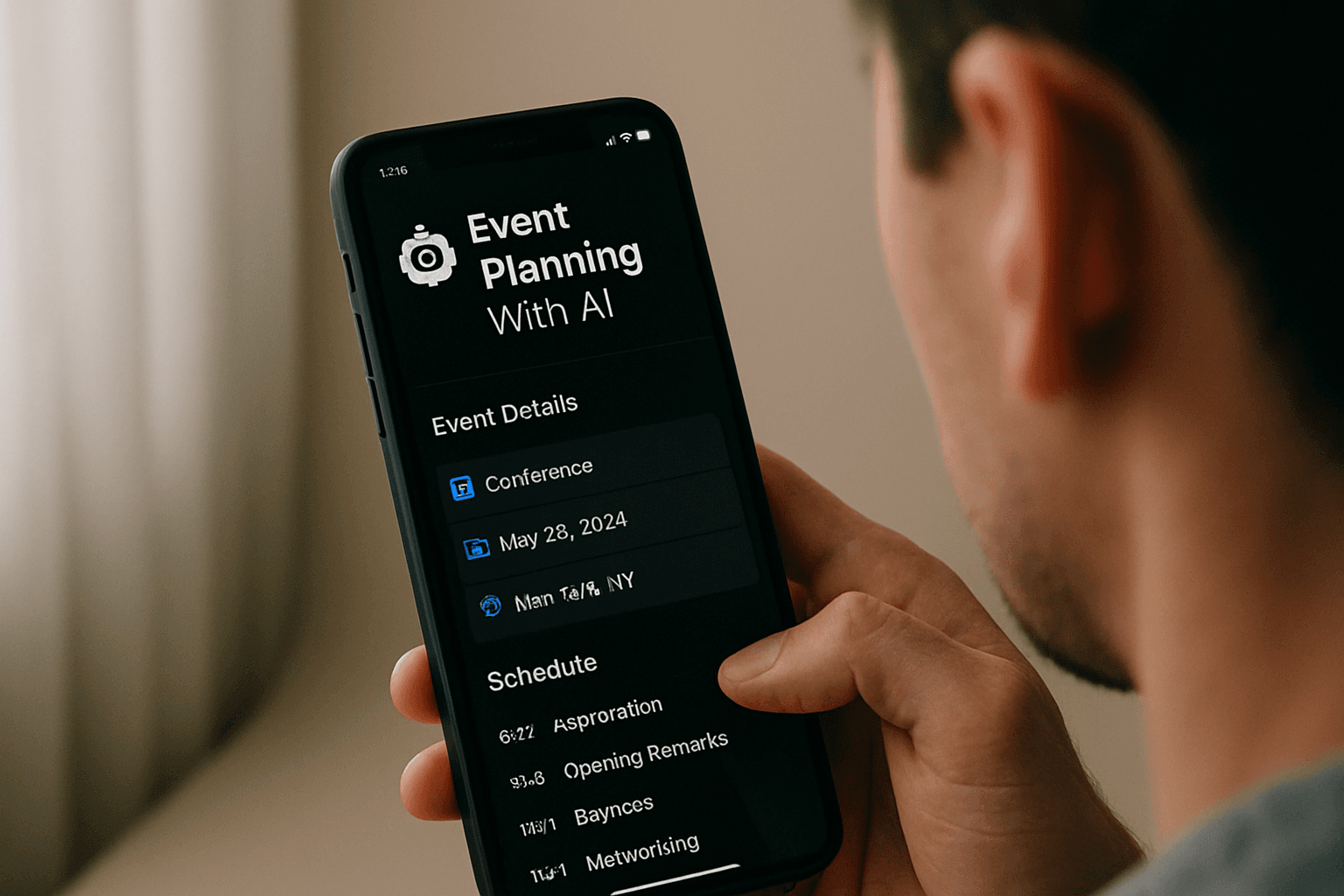
Why Automate Event Planning with AI
The stakes for event execution are high, but so is the busywork. Organizations using automated event management platforms in 2024 saw a 29% reduction in administrative workload and a 32% increase in attendee satisfaction. More than just efficiency, automation lets you focus on what makes events memorable instead of drowning in spreadsheets and follow-up emails.
79 percent of event planners are interested in using AI to enhance productivity and reduce workload. The barrier isn't interest—it's knowing where to start.
Automating Registration and Attendee Data Management
Registration is often the biggest bottleneck. Registration is one of the most repetitive operational workflows in event management, which makes it a strong candidate for AI-assisted automation.
AI can automatically extract attendee details from registration emails and deliver instant, accurate updates, saving time on manual data entry. Rather than manually consolidating registrations from different sources, automation tools can automatically capture and route event registration data across forms, ad platforms, webinar tools, and CRM systems, triggering follow-up when forms submit, registrations change, or attendee lists update.
AI enables dynamic registration workflows based on user behavior and profiles, so VIPs can see different forms than general attendees, and sponsors can access exclusive ticketing or pricing options. The system stays synchronized: contact details remain consistent across spreadsheets, CRMs, and email platforms to prevent duplicates and errors.
Another key automation: registration doesn't just collect data—it enriches your CRM as it happens, with attendee records updated instantly with job role, region, engagement tags, and event behavior.
Using AI Chatbots for 24/7 Support
70% of event queries are repetitive questions, so chatbots can handle questions about schedules, location, minimum age, and tickets, allowing your team to focus only on complex cases.
AI chatbots provide 24/7 assistance to event attendees by answering frequently asked questions and addressing pre-event concerns. They can also simplify the planning process for organizers by automating tasks such as sending reminders and collecting RSVPs.
Unlike human staff who can only handle one conversation at a time, chatbots can assist thousands of attendees simultaneously, and they learn and improve with every interaction, helping them recognize patterns and refine their responses for future attendees.
The scope extends beyond pre-event support. From registration to post-event follow-up, AI chatbots handle attendee questions, reminders, and logistics updates across web, mobile, and messaging channels. During the event itself, chatbots help attendees find their way around the venue, suggest sessions based on their interests, and answer last-minute schedule questions.
Automating Scheduling and Vendor Coordination
AI takes the guesswork out of timelines, automating scheduling by juggling speaker availability, venue limitations, and vendor needs to generate a schedule that works.
When managing multiple events concurrently, AI-powered calendar management makes a measurable difference. Reclaim.ai optimizes your calendar around real priorities, allowing you to block time for vendor calls, event setup, and travel while automatically rescheduling lower-priority meetings when conflicts arise.
For venue sourcing specifically, AI-first venue sourcing platforms automate venue matching based on your event specs, handle RFP distribution to multiple venues simultaneously, and even assist with rate negotiation.
Generating Content and Event Materials
AI can instantly build and customize your entire event workflow—from registrations to post-event surveys—using simple text or voice prompts. Content creation, which typically consumes significant planner time, can be accelerated at scale.
Eventbrite's AI generates descriptions, summaries, and images while automatically categorizing the event for better marketplace discovery after you provide the basics like title and date. Similarly, with specialized AI agenda builders, you can quickly design a well-structured agenda by entering event details, adding individual sessions, assigned speakers, and timings to generate a clean, professional agenda in minutes.
AI helps you create clear, compelling communication across session titles to attendee messages and registration forms, driving participation and saving time.
Personalizing the Attendee Experience at Scale
One of AI's most powerful applications is personalization. AI improves event personalization by analyzing attendee behavior, preferences, and goals to deliver tailored recommendations, networking opportunities, and content experiences in real time.
Rather than blasting all attendees with identical messaging, AI creates highly personalized messages, where policy enthusiasts get emails that lead with key topics and panelists, new members get "why it matters" onboarding copy to encourage their first event, and past attendees of similar events get direct RSVP options with fewer steps.
During the event, AI-powered platforms suggest sessions and workshops based on individual preferences, with attendees receiving custom agendas that help them make the most of their time and stay engaged throughout the event. Tools like Brella use AI to suggest one-on-one meetings that actually make sense—not just random pairings.
Automating Post-Event Follow-Up
Post-event is where many event programs lose momentum. Research from InsideSales.com shows that the odds of qualifying a lead drop by 80% after the first five minutes, yet most event follow-up takes days—scanning badges, deduplicating lists, writing emails, building sequences.
AI can automatically trigger and personalize post-event follow-up across webinars, virtual events, and attendee outreach workflows, creating and updating when events end, attendees register, or contacts engage, so you can send timely emails, route hot leads, and keep campaigns moving without manual follow-up.
The personalization piece matters. Someone who spent 20 minutes discussing a specific business challenge should never receive the same email as someone who briefly walked by your booth. AI-powered follow-up workflows automatically adapt to conversations, interests, and attendee behavior.
AI can automatically de-duplicate attendee lists against your CRM and segment leads based on criteria like job title or company. Agents then launch pre-built sequences of emails and LinkedIn requests, personalized with the event name and the lead's details, with follow-up emails including direct calendar links allowing hot leads to book a meeting with the right rep instantly and automatically.
For collecting feedback, AI makes gathering feedback easier by instantly analyzing surveys, social media posts, and other feedback to gauge attendee sentiment, giving planners an immediate pulse on what attendees loved and what could be improved instead of manually reading hundreds of comments.
Integrating Your Tech Stack
The key to effective automation is integration. Automate event workflows across systems by integrating the tools you already rely on, connecting your email marketing platform to send post-event emails automatically and syncing with Google Calendar and Outlook to keep company events visible on your team's calendars.
Cvent offers native integrations with Salesforce, HubSpot, and Marketo so event data flows directly into your CRM and marketing automation tools.
Getting Started
You don't need to overhaul your entire system at once. Start by identifying your biggest pain points—registration volume, vendor coordination, or follow-up delays—and layer AI automation into those specific workflows. Most modern tools offer templates and AI agents that work out of the box, so you can launch automations in days rather than months.
As AI handles tasks like data entry, scheduling, and even attendee matchmaking, you can focus on what you do best: creating experiences that attendees actually remember.