
How to Evaluate Modular power for Long-Term Reliability
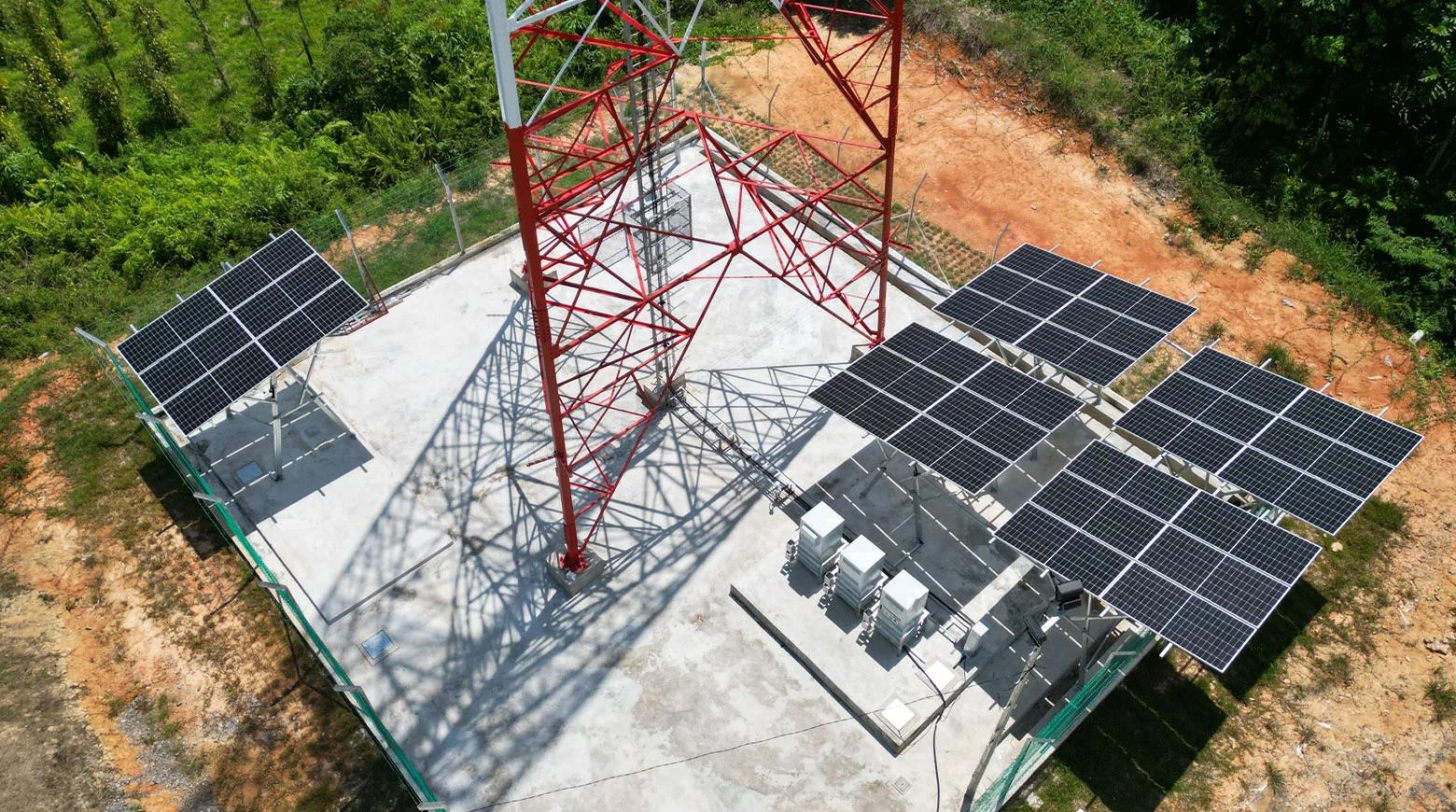
For a distributed power architecture assembled from serviceable capacity blocks, network operators, field technicians and energy planners need to identify what should be measured before the equipment is selected. That review should cover the location, demand and compliance assumptions, because the ultimate objective involves service continuity, accessible maintenance and predictable energy costs. Large purchasing decisions often begin with a short list of components. Yet the durable result depends on how those components behave in their specific environment. A good plan links these practical questions to tests, documented responsibilities and realistic site conditions.
Field replacement
Technicians need safe procedures and compatible spare units to benefit from replaceable modules. This is also a useful point to identify the maintenance team, the safety procedure and the records needed during a future fault.
Account for grid quality
Remote locations may experience outages, voltage variation or slow restoration. The choice of backup duration and power architecture should follow actual site risk rather than a single network-wide assumption.
Asset economics
An expandable arrangement should be assessed against total service life and realistic future demand. The owner can ask the designer to identify the measurement that would confirm this expectation after the system is commissioned.
Plan battery life realistically
Temperature, discharge depth and cycling affect usable backup capacity. Maintenance strategies should verify actual condition rather than assume that installed capacity stays constant.
For a useful solution reference, examine Modular power alongside the project drawings and the documented operating requirements. A product page is a starting point for questions, not a substitute for site assessment.
Integration risks
Parallel operation, settings and battery interfaces must be checked for compatible behavior. Any related promise should be linked to a documented test method and to the operating conditions for which it applies.
Monitoring consistency
Remote systems should recognize module status, alarms and replacements accurately. This is also a useful point to identify the maintenance team, the safety procedure and the records needed during a future fault.
Building blocks
Modularity can help adapt rectifiers, distribution and backup capacity to changing site requirements. Before approving equipment, ask for a drawing or operating scenario that demonstrates the stated function under local conditions.
Teams can revisit Modular power during commissioning, checking the proposed capabilities against measured behavior and the final configuration.
Resilience planning
Redundancy only works if remaining modules and the distribution path handle the verified load. If later expansion is likely, the project should document both the technical interface and any new approval that could be needed.
For Modular power, the decisive question is whether the specified functions can be supported by site evidence, safe procedures and an accountable operating model. Each requirement should be reviewed against the actual project, not assumed to apply everywhere.
Decisions worth documenting
A concise decision file can identify the adopted design, rejected alternatives, unresolved constraints and the tests needed before handover. This makes the project easier to review when its assumptions change.