
Smart Water Leak Detector: Buying Guide & Setup Tips
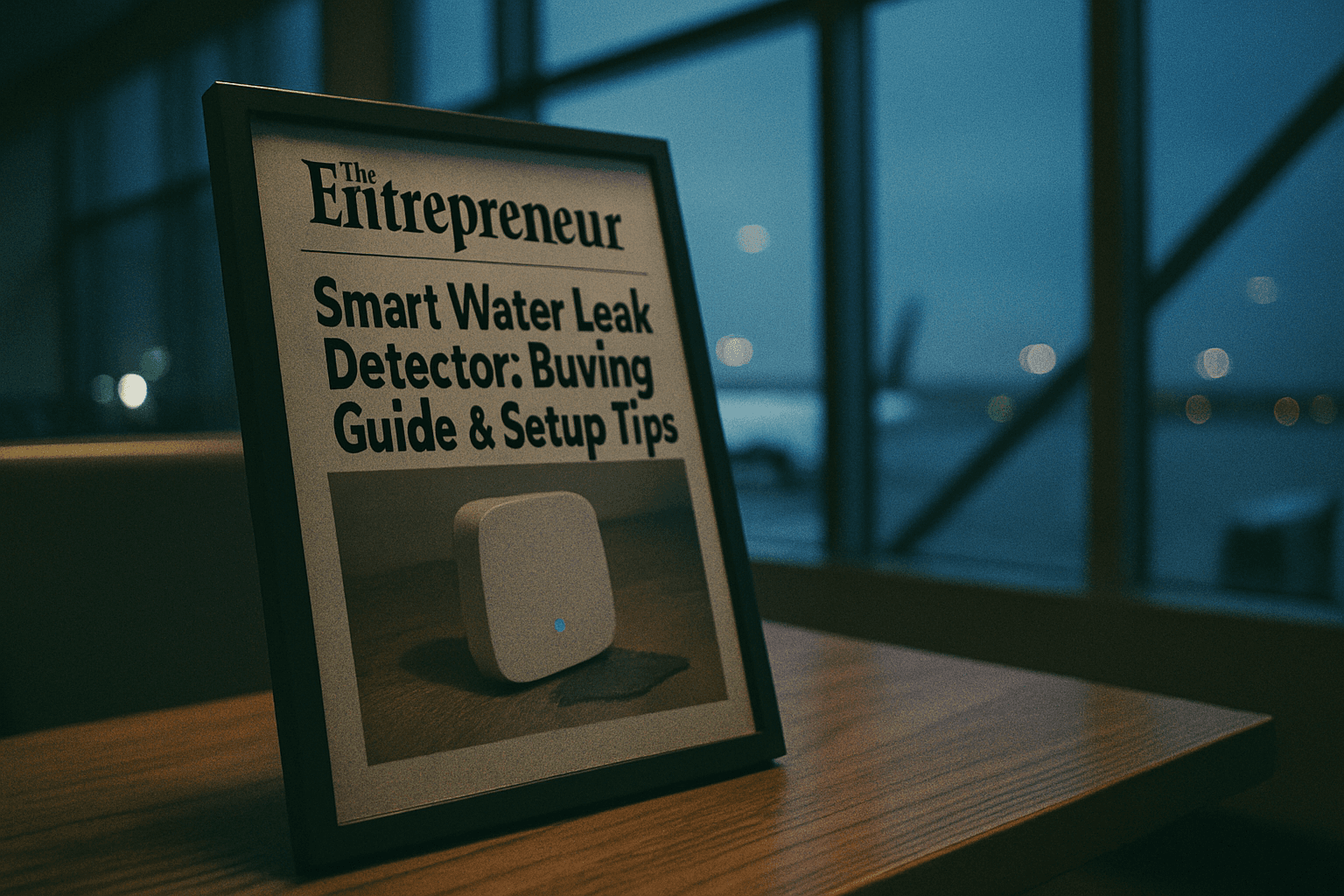
How Smart Water Leak Detectors Work
A smart water leak detector uses small conductive probes to identify moisture and send instant alerts through your smart home system, offering confidence and quick response before a small leak becomes a major repair. The core technology is straightforward: when moisture escapes from a leak, pools in an area, and touches the metal prongs, electricity starts flowing between them.
Smart detectors go beyond simple moisture sensing. They sense changes in water, humidity, and temperature to protect against mold and frozen pipes. Many systems use multiple detection layers—moisture sensors detect water presence at specific points, flow meters monitor water usage patterns and identify unusual consumption that indicates leaks, and acoustic sensors pick up the sound of water movement in walls or pipes.
The "smart" part means sensors can connect to your home's Wi-Fi network and send real-time alerts to your mobile device when they detect moisture, no matter where you are. This may be an in-home audio alert (similar to a smoke detector), or it may be a system that uses your home Wi-Fi to send an alert to your smartphone.
Choosing the Right System: Key Features to Compare
Connectivity and Smart Home Integration
Key features to compare include the power source, connectivity, water and temperature alerts, weather resistance, battery life, integrations, and automation features. Most models connect via Wi-Fi, though some use alternative technologies. YoLink addresses connectivity problems by using LoRa, a low-power, long-range wireless technology, between its sensors and hub, with specified open-air communication of up to a quarter mile.
Integration with smart home systems like Alexa, Google Assistant, and Apple HomeKit is important for many users. Integration allows you to receive alerts directly through your smart home app or even through voice notifications, and some smart home systems offer the ability to automate responses to leaks, such as turning off the water supply or activating a sump pump.
Battery Life
Battery longevity varies significantly across models. Most Smart Leak Detector models include a CR123A battery with a life expectancy of over two years. However, premium options last much longer: some, like YoLink, last up to five years. YoLink sensors have a battery life rated for 2-5 years, a meaningful advantage over standard Wi-Fi sensors that need to be within router range and often have shorter battery life.
Alert Methods and Customization
Water leak detectors offer alerts through a variety of methods, like loud audible alarms through the device and notifications through text, email, or a smartphone app. Each sensor has a 105 dB siren and can generate app, email, and SMS alerts. Look for models that let you customize notification frequency and methods.
Sensor Coverage and Range
For larger homes or homes with weak Wi-Fi signals, range matters. Device range is an important consideration, especially with larger homes or open-concept areas that need to be covered in their entirety. You might find a detector with a long-range sensor to cover more ground—otherwise, you'll usually need to purchase multiple devices to ensure adequate detection for your home.
Weather Resistance
Weather Resistance is measured using the IP rating (Ingress Protection rating). For instance, a device rated IPX7 offers protection against temporary immersion in water up to 1 meter deep for up to 30 minutes.
Where to Place Your Sensors
Placement is critical. Start with high-risk areas: water heaters, washing machines, dishwashers, under sinks, toilets, sump pumps, refrigerators with water lines, and HVAC condensate areas.
Specific placement recommendations:
- Place a detector on the floor near the tank, drain pan, or lowest point where water would collect for water heaters
- Washing machines are another high-risk spot because supply hoses, drain hoses, and valve connections can leak. A sensor behind the washer or near the wall connections can alert you before water spreads across the laundry room.
- Under sinks, place the detector on the cabinet floor near the shutoff valves, supply lines, and drain trap.
- For toilets, place one behind or beside the toilet near the supply line and base, where water would collect before spreading across the room.
A critical mistake to avoid: The most common mistake with leak sensors is placing them only where you can see them. Water often travels along framing, subfloor, or drywall before it shows up on the floor. Use this plan to place sensors where they will trigger fast—before the leak becomes a ceiling stain.
Installation and Setup
Setup varies by model, but the general process is consistent. Download the manufacturer's smart water network app and create an account. The app will walk you through installation and product set-up with a guided step-by-step tutorial.
For physical placement, you have flexibility. Simply place the detector flat on the surface you want to monitor for water, making sure the detector is NOT in the mounting base and the metal sensors are touching the ground/surface. For hard-to-reach areas, or when you'd like to be more discreet about monitoring, mount the main device to a wall or vertical surface using the included mounting bracket. Attach the cable and remote sensing disc and place disc, metal sensors down, in the location you want to monitor.
For whole-home systems with automatic shutoff valves, installation is more involved. The device must be installed on the main water line, just after the home's main shut-off valve and water meter (if it's inside). This placement ensures that the detector is monitoring every drop of water that enters the home's plumbing system. Many homeowners with these systems benefit from professional installation.
Avoiding False Alarms
False alarms undermine the system's usefulness. False alarms usually come from poor placement or normal household water exposure, such as cleaning water, bathroom splashes, condensation, or pet bowl spills.
Do not place sensors where normal cleaning water will soak them every week. A detector that constantly false alarms may get ignored, moved, or turned off. Also, burying sensors under storage is a mistake. If cleaning bottles, paper towels, trash bags, or boxes block the device, water may not reach the sensor quickly. Storage can also muffle the alarm or make battery changes harder.
Environmental factors can also cause problems. Cold domestic water lines feeding toilets, laundry valves, and spigots sweat heavily whenever warm, humid indoor air hits the cold pipe surface. When that condensation drips straight down onto a sensor, water bypasses the bottom probes and penetrates the top seams of the casing. Raising the sensor slightly above the ground can help.
Regular Testing and Maintenance
Smart leak detection is not a "set and forget" proposition. Even the best smart devices will alert you only if you stay on top of regular testing—otherwise, "install and forget" can quickly turn into a false sense of protection.
You should test your water leak sensors every one to two months. Regular checks help you catch problems early. Inspect your sensors regularly and clean away any dust or obstructions. Keeping your software updated can also lead to remarkable improvements in device performance.
Look for models that make battery replacement easy and give low-battery warnings. A reliable internet connection is essential for syncing the device with your home network. Periodically verify that push notifications are still enabled on your phone after software updates.
Popular Smart Water Leak Detector Options
Several models stand out across different needs. The Moen Flo Smart Water Leak Detector is a smart water sensor with the best early warning system. The GoveeLife Water Leak Detector 1s is the most balanced choice for typical households because it combines multipoint coverage, loud alarms, strong specified range, app notifications and long battery-life claims. Choose the YoLink Water Leak Starter Kit for a large home, detached garage, basement, or future automatic-shutoff setup.
Final Takeaway
A smart water leak detector transforms an invisible slow drip into a phone alert before it ruins your walls, floors, and belongings. The devices are affordable, install easily, and integrate with most smart home platforms. The key is choosing the right placement, testing regularly, and selecting a model that matches your home's size and connectivity needs. Invest the time upfront, and you'll have genuine peace of mind—even when you're away.