
Best Smart Surge Protector Strips: Reviews & Buying Guide 2026
What Smart Power Strips Actually Do
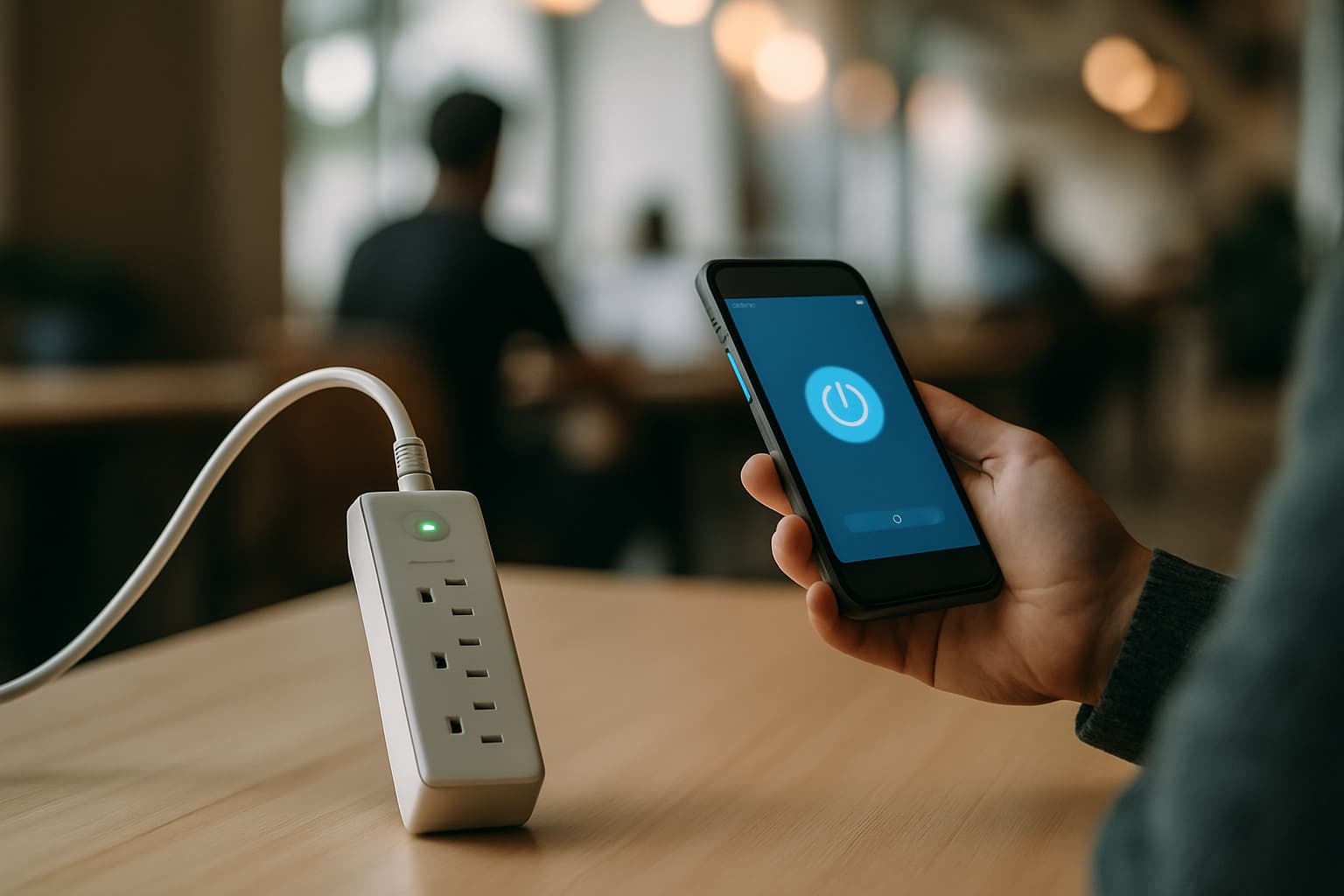
A smart power strip is an advanced version of a traditional surge protector that offers both surge protection and additional features aimed at optimizing energy use and enhancing convenience. These strips combine the functionality of multiple outlets with smart features such as remote control, energy monitoring, and automation capabilities.
The core benefit is eliminating phantom power—the hidden energy drain from devices sitting in standby mode. Vampire power, also called phantom or standby power, is the electricity a device uses while it's switched off or idle, to keep clocks running, remember settings, listen for a remote and stay connected. A typical entertainment center with TV, cable box, soundbar, game console, and streaming device draws 30–50 watts continuously in standby mode.
Whether you program it, choose occupancy or current sensing versions, or control it remotely with a phone app or voice command to your smart hub, a smart power strip makes denying power to vampire devices easy and often automatic. Because they reliably prevent vampire loads, smart power strip energy savings add up over time.
Top Smart Surge Protector Models
Kasa Smart Power Strip HS300 (~$50)
The expert consensus pick features 6 independently controllable outlets and real-time energy monitoring per outlet. The Kasa HS300 includes 3 USB ports and ETL certified surge protection that shields sensitive electronics and appliances from sudden power surges that can occur during weather storms and cause irreparable damage.
Eve Energy Strip (~$100)
For Apple HomeKit users, the Eve Energy Strip offers Thread-based local control, native HomeKit energy data, and no cloud dependency. It is the only smart strip that integrates natively into HomeKit automations with per-outlet energy data. However, the Eve Energy Strip costs $100, making it a premium option.
Meross Smart Power Strip (~$35)
The best option for multi-ecosystem households, this Model is Matter certified and works natively with Alexa, Google Home, HomeKit, and SmartThings. It features 4 independently controlled outlets and 4 group-controlled USB ports with up to 4.0A capacity across all four USB ports. At sub-$40 pricing, it offers the best cross-platform compatibility.
TP-Link Kasa KP303 (~$30)
The best smart power strip for small setups like desks or nightstands, the KP303 features 3 outlets plus USB ports in a compact form factor. At $30–$40, it's the cheapest way to get per-outlet energy tracking on multiple devices.
Understanding Surge Protection Ratings
Joule ratings tell you how much energy protection a strip provides. The joule rating indicates how much energy the surge protector can absorb before it needs to be replaced. Higher is always better, but here are the general guidelines:
- Basic electronics (lamps, phone chargers): 500–1,000 joules
- Computers, TVs, gaming consoles: 1,000–2,500 joules
- Home theater systems and expensive equipment: 2,500–4,000+ joules
Beyond joules, look for a clamping voltage of 400 volts or less. A protector that doesn't clamp until 600 volts lets a lot of damaging energy through before it acts.
Choosing the Right Smart Power Strip
When selecting a smart surge protector, compare the surge protection rating and verify safety certifications and build quality. Check outlet count and layout, plus power and charging capacity, to make sure it fits your devices and desk setup. Also confirm smart home compatibility so it works with your hub or voice assistant.
Make sure the protector has enough outlets for your setup and that they're spaced to accommodate larger adapter plugs without blocking adjacent outlets. A 6-foot cord is standard. If your setup is further from the wall outlet, look for an 8 or 10-foot option rather than daisy-chaining two strips together—that's a fire hazard.
Energy Monitoring and Savings
By giving you the ability to monitor and manage the energy consumption of each device plugged into them, smart power strips can identify energy hogs and reduce phantom power usage. This can lead to significant savings on your electricity bill by ensuring devices are only powered when needed and eliminating wasteful standby power consumption.
At a typical cost of $25–$40, a smart strip pays for itself in under six months and then delivers pure savings for years afterward. The best smart power strips for home energy monitoring combine WiFi-controlled outlets with real-time consumption tracking, letting you identify and eliminate phantom loads that cost the average household $100–200 annually.
Many WiFi smart strips now report per-outlet energy use in their apps. That lets you see which devices are actually wasting power instead of guessing.
Safety and Reliability
There are no notable reports of increased fire risk, failure rates, or hazards compared to basic surge strips. Most smart power strips are described as "intelligent surge protectors" and use the same UL or ETL certifications as conventional units.
Include safety features like overheating protection and automatic shut-off mechanisms, ensuring that your devices operate safely and reducing the risk of fire hazards. Avoid overloading your power strip—don't connect too many devices to a single strip, as this can lead to overheating and fire hazards. Ensure that the total amperage of connected devices does not exceed the power strip's maximum rating.
Best Use Cases for Smart Power Strips
Smart power strips excel in specific environments:
- Home offices: Desktop, monitor, printer, and accessories in one cluster—especially if left on standby after hours
- Entertainment centers: TV, game console, streaming box, and soundbar that stay on standby ready for immediate use
- Hobby rooms: Equipment that draws phantom power when idle
When connected to a smart strip, you can stop entertainment devices from wasting electricity while maintaining instant availability when needed.
The Bottom Line
Best smart power strip for most users: Kasa Smart Power Strip HS300 (~$50)—offers per-outlet energy monitoring and 6 independently controlled outlets at an accessible price. For Apple users, the Eve Energy Strip offers HomeKit integration despite its premium price. Those seeking budget-friendly cross-platform compatibility should consider the Meross Smart Power Strip for its Matter certification.
The real value of a smart power strip isn't just convenience—it's the quiet, automatic elimination of energy waste that most households never realize they're paying for. With prices ranging from $25 to $100, any smart power strip pays for itself within months through phantom power reduction alone.