
Smart Lock vs Traditional Lock: Pros and Cons
Understanding the Basics
The way we secure our homes is changing. Smart locks are no longer a novelty—they are a mainstream option sitting on the shelves of every major hardware store, yet traditional locks still dominate millions of homes. Choosing between the two isn't simply about picking the fancier option—it depends on your priorities, budget, and lifestyle.
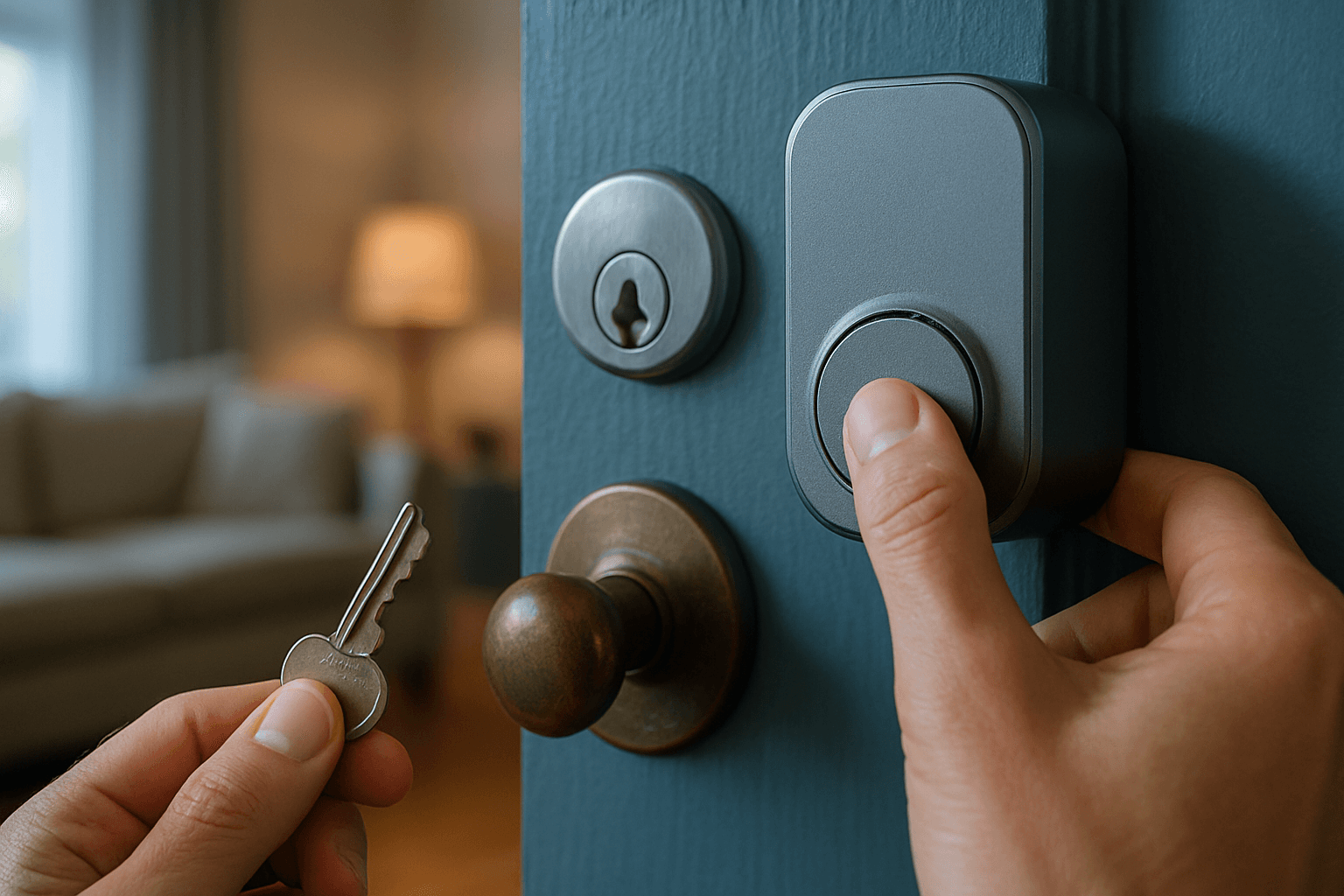
A smart lock is an electromechanical lock that you can control remotely via a smartphone app, voice assistant, or keypad—instead of relying on a traditional metal key. Traditional locks, by contrast, operate on a straightforward mechanical principle: these mechanical locks often use a pin tumbler method with short and long metal pins to hold the lock cylinder in place. When the right key is inserted, it lines up with these metal pins and moves them a set distance, unlocking the mechanism.
Smart Locks: The Convenience Factor
The primary appeal of smart locks is straightforward—they eliminate the physical key from your daily routine. Keyless entry, remote access, notifications on smartphones, and encrypted technology are some of the primary advantages of smart locks which make them a preferred choice for smart homes.
To open the door via an app, with some smart locks you don't even have to be near your door. You can easily unlock the door over the internet, wherever you are. This is particularly useful if you need to grant access to a visitor while away from home. Popular features include temporary access codes for guests, real-time notifications when someone enters, auto-lock timers, and geofencing—where your door locks automatically when you leave home.
Real-time monitoring features enable users to receive alerts when someone enters or exits, offering enhanced security and control over who has access to their home. For landlords and property managers, smart locks can be programmed to provide temporary access to guests or service providers, making them ideal for busy households or rental properties.
Smart Locks: The Cost Reality
The convenience comes at a price. Traditional deadbolts cost $30 to $50, while smart locks range from $100 to $250, making deadbolts the more budget-friendly option upfront. Installation adds to this expense—typically, prices range from $150 to $400, including the lock and professional installation, though DIY installation can reduce costs if you're comfortable handling the task yourself.
The Battery Dependency Problem
Every smart lock faces one fundamental limitation: it requires power. Unlike traditional locks that do not require any electricity, smart door locks need a power source to function. In the event of a power outage or if the lock's batteries die, you may find yourself locked out of your own home.
Battery lifespan typically lasts from six months to a year depending on usage and features. The exact timeframe depends on your lock model and how frequently you use it. The batteries last, depending on the brand and type, between three months to one year, mainly determined by the number of times the door is locked or unlocked.
Most modern smart locks offer low-battery alerts through their companion app, giving you advance notice to replace batteries before they die. To avoid this situation, it is essential to ensure your smart lock has a backup power option, such as a physical key override or a separate battery backup system.
Smart Locks and Cybersecurity
This is where smart locks reveal their vulnerability. While smart locks offer convenience, they are vulnerable to hacking since they connect to the internet. Hackers may compromise the Bluetooth connection, breach the Wi-Fi network, or access phone data, leading to unauthorized control of the lock.
The risks are real but manageable. Hackers can exploit weak passwords, outdated software, or even intercept communication between the lock and the user's device. Additionally, in 2022, researchers discovered a vulnerability in the Bluetooth Low Energy protocol, which many companies have adopted as the standard for contactless authentication when unlocking various devices including smart locks. This vulnerability opens the door to so-called relay attacks, which require the attacker to be close to the smart-lock owner and use special but relatively inexpensive equipment. Armed with this hardware, the attacker can relay signals between the victim's smartphone and the smart lock, tricking the smart lock into thinking that the owner's smartphone is nearby, whereupon it unlocks the door.
The mitigation is straightforward:
- Keep software updated: Regularly update the lock's firmware, companion apps, and your smartphone's operating system to patch security vulnerabilities. A strong password manager can help you maintain secure credentials across your devices.
- Use strong passwords/PINs: Avoid using easily guessable codes or passwords and change them periodically.
Traditional Locks: Proven Simplicity
The traditional locks have been developed over centuries to be sturdy and moderately difficult to bypass, and to function reliably without frequent inspection or maintenance. There's real comfort in this simplicity.
Traditional locks do not rely on electronic components, making them immune to hacking and power outages. One of their biggest selling points is their simplicity, which reduces the likelihood of technological malfunctions. If your smart lock glitches, you call a technician. If your traditional deadbolt stops working, a locksmith can often fix it on the spot.
High-quality traditional locks can offer a good level of resistance to picking and bumping, providing a reliable and proven security solution. The key downside: they may be susceptible to unauthorized key duplication or lost or stolen keys. When a key goes missing, your only option is rekeying the entire lock—an additional expense.
Traditional Locks: Maintenance and Rekeying
While traditional locks don't need batteries, they have their own maintenance burden. Traditional locks are very costly to properly maintain. For example, when a former user no longer is authorized, or when a key is lost, each potentially vulnerable mechanical lockset should be rekeyed or replaced. For a home where you need to regularly grant or revoke access, this becomes expensive.
Traditional locks tend to be more affordable compared to smart locks, primarily due to their simpler mechanisms and fewer components. This aspect makes them a popular choice for those on a tight budget.
Which One Is Actually More Secure?
This question doesn't have a simple answer. In terms of helping to keep intruders out, having a deadbolt in good condition—and using it—is a more important consideration than how you operate it. A high-quality deadbolt—traditional or smart—installed properly will resist forced entry. The distinction lies in access control, not forced-entry protection.
Neither is universally more secure—a well-installed deadbolt resists forced entry whether digital or traditional. The real advantage of digital is access control: assign and revoke codes instantly, with no rekeying required.
Making Your Decision
The decision to swap locks really hinges on your wants and needs. If you value convenience, remote access, and simplified guest management, smart locks deliver. You'll pay more upfront, manage battery life, and stay vigilant about firmware updates.
If you prioritize simplicity, immunity from hacking, and predictable maintenance, traditional locks remain a solid choice. You'll need to manage physical keys and handle rekeying when access needs change.
Smart locks offer advanced features, convenience, and enhanced security but come at a higher initial cost. Traditional locks are simple and cost-effective but lack modern technological advantages. Neither option is universally superior—your home security depends on which fits your actual lifestyle and risk profile.