
Smart Video Doorbell: Complete Guide to Modern Home Security
What Is a Smart Video Doorbell?
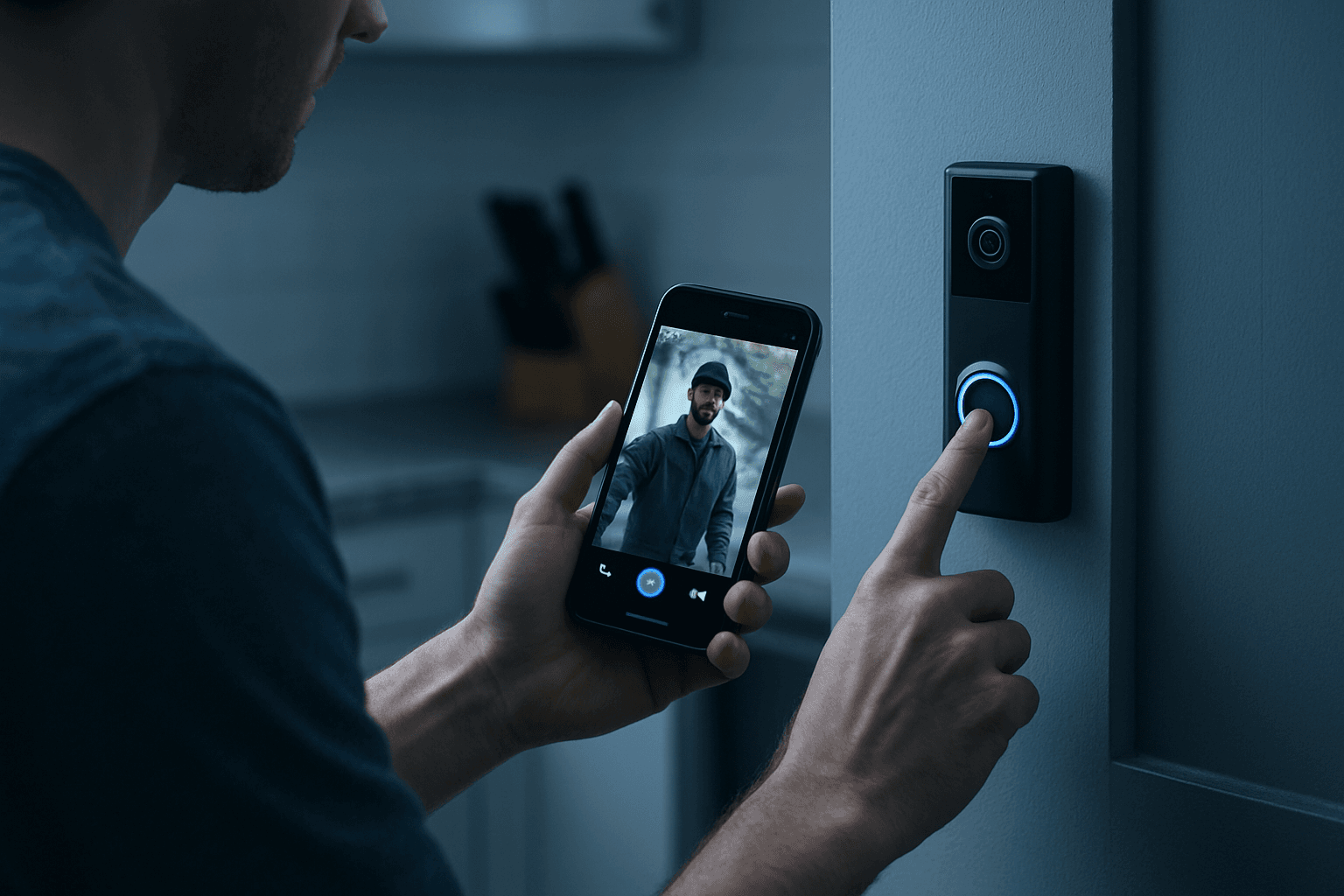
A smart video doorbell is a security device that combines the functionality of a traditional doorbell with high-definition video and two-way audio, allowing you to see, hear, and speak to visitors at your door through an app on your smartphone or tablet, no matter where you are.
Unlike conventional doorbells that simply alert you with a chime, smart video doorbells give you complete visual and audio access to your entryway. When someone approaches or rings the bell, your smartphone receives an instant notification with a live video feed, letting you assess who's there before deciding whether to answer the door.
Key Features to Look For
When shopping for a smart video doorbell, several core features stand out:
Video Quality and Resolution
High-resolution video feeds, such as 4K, are becoming more mainstream, as consumers crave clearer images, especially in low-light conditions. Most modern models offer at least 1080p HD video, with premium options delivering 2K or 4K resolution for sharper detail.
Night Vision and Low-Light Performance
Night vision capabilities ensure visibility during low-light conditions. This is critical for monitoring your entrance after dark or during overcast days.
Two-Way Audio
Two-way audio is another essential feature that allows homeowners to communicate directly with visitors, which is handy for package deliveries and unexpected guests.
Wide Field of View
A wide field of view captures more of the entrance and surrounding areas. Most quality models offer between 120 and 180 degrees of coverage, ensuring you don't miss activity near your door.
Motion Detection and Smart Alerts
Advanced motion detection notifications enhance security by alerting users of activity near their door. Many models also offer person and package detection powered by AI, reducing false alarms triggered by animals or passing vehicles.
Benefits of Installing a Smart Video Doorbell
Remote Monitoring and Control
A smart video doorbell gives you the power to monitor your home remotely; even if you're on vacation, at work, or running errands, you can receive real-time notifications and video alerts whenever someone rings the doorbell or triggers motion.
Package Theft Prevention
Among the many advantages of a Wi-Fi-enabled doorbell is the ability to record packages being delivered; when you're away from home and expecting a delivery, video footage is an easy and reliable way to ensure that your belongings end up in the right hands.
Safety and Visitor Screening
Video doorbells make it easy to see who is at, or approaching, your door, which gives you plenty of time to assess if it is safe to open the door; having a video doorbell is particularly great for remote workers, busy stay-at-home parents and anyone who receives packages or deliveries.
Crime Deterrence
The presence of a camera may discourage suspicious behavior, while real-time motion alerts allow homeowners to respond quickly if something doesn't look right; if an incident does occur, recorded footage can provide helpful evidence for authorities.
Wired vs. Wireless Options
Smart video doorbells come in two primary configurations, each with distinct advantages:
Wired Models
Wired video doorbells are connected directly to your home's electrical system, offer a consistent power supply, eliminating the need for battery replacements, and typically provide more advanced features, such as continuous video recording and better video quality, due to the reliable power source. An emerging architecture in 2026 is the adoption of Power over Ethernet (PoE), which is virtually immune to wireless de-authentication attacks, signal interference from dense masonry or metal siding, and common Wi-Fi latency, representing the absolute pinnacle of residential deployment stability for high-bandwidth features like 4K video streaming and 24/7 continuous recording.
Wireless/Battery-Powered Models
Installing a wireless video doorbell is much easier and requires a lot less steps than a wired option; start by fully charging the battery of the video doorbell using the charger it comes with. Wireless options are easy to install almost anywhere with no need for existing wiring and are typically wireless.
Installation Process
For Wired Models
In general, you can set up a wired video doorbell yourself without professional help, although you'll want to call an expert if your home has no existing wiring or you're unfamiliar with electrical work; the first step is to turn off the power to your existing doorbell via your fuse box. If you already have existing doorbell wiring (16-24 VAC), most homeowners can install these in 20-30 minutes with a screwdriver; if you don't have existing wiring, you'll need an electrician or a battery-powered alternative.
For Wireless Models
Once your video doorbell is charged, download the app and connect your video doorbell to Wi-Fi and the app itself; it's best to do this before it's mounted to the wall as you may need to scan a QR code on the doorbell for some brands.
Storage and Recording Options
Your smart video doorbell footage can be stored in several ways:
Cloud Storage
Cloud storage is one of the most common options, where the doorbell uploads recorded clips to the manufacturer's remote servers; users can access the footage anytime through the mobile app as long as they have internet access, making cloud storage very convenient for people who want to monitor their home remotely. Cloud storage typically requires a monthly or annual subscription plan, which often includes additional features such as longer video history, smart alerts, and video sharing.
Local Storage
A local storage video doorbell saves recordings to a physical storage device rather than uploading them to the cloud, such as microSD cards, built-in memory, or a base station hub; because recordings are stored locally, users typically do not need a subscription plan, making local storage appealing to people who want to avoid ongoing monthly fees.
Hybrid Systems
Some manufacturers offer hybrid storage systems that combine cloud and local storage, providing flexibility and additional backup options where the doorbell may save recordings locally and upload them to the cloud for remote access.
Privacy and Security Considerations
While smart video doorbells offer significant security benefits, they also raise important privacy and safety concerns.
Network Security
Because these devices are internet-connected, they'll always carry the ever-lurking risk of being hacked; a compromised video doorbell can give malicious actors direct access to the audio and video feeds of your family's daily routine. Consumer Reports is not telling people to steer clear of video doorbell cameras altogether, but it is advising potential buyers to consider products from prominent brands such as Logitech, Nest, Ring and SimpliSafe that have better security track records.
Neighbor Privacy
If the household has a video doorbell, it's best to be transparent; put it in a clearly visible place so that people approaching the house know they will be recorded and have the chance to avoid it. Point the camera doorbell away from the neighbor's front yard, windows, bathrooms, and doors; the camera should never be pointing towards a neighbor's property, deliberately or otherwise.
Smart Security Practices
Use unique passwords, enable two-factor authentication, and update firmware regularly. These basic steps significantly reduce the risk of unauthorized access to your doorbell's feeds.
Popular Smart Video Doorbell Brands
Consumer Reports advises potential buyers to consider products from prominent brands such as Logitech, Nest, Ring and SimpliSafe that have better security track records. Other well-reviewed options include Google Nest, Eufy, Ring, Reolink, Blink, and Logitech. The best choice depends on your specific needs, existing smart home ecosystem, and budget.
Conclusion
Smart video doorbells provide homeowners with a range of features that enhance security, increase convenience, and give you peace of mind no matter where you are; whether you're looking for added protection or simply want to make your home smarter, a smart video doorbell is an excellent investment. By understanding the key features, installation requirements, and security considerations, you can choose the right model to fit your home and lifestyle.