
High Density Data Center Cooling for AI Rack Design
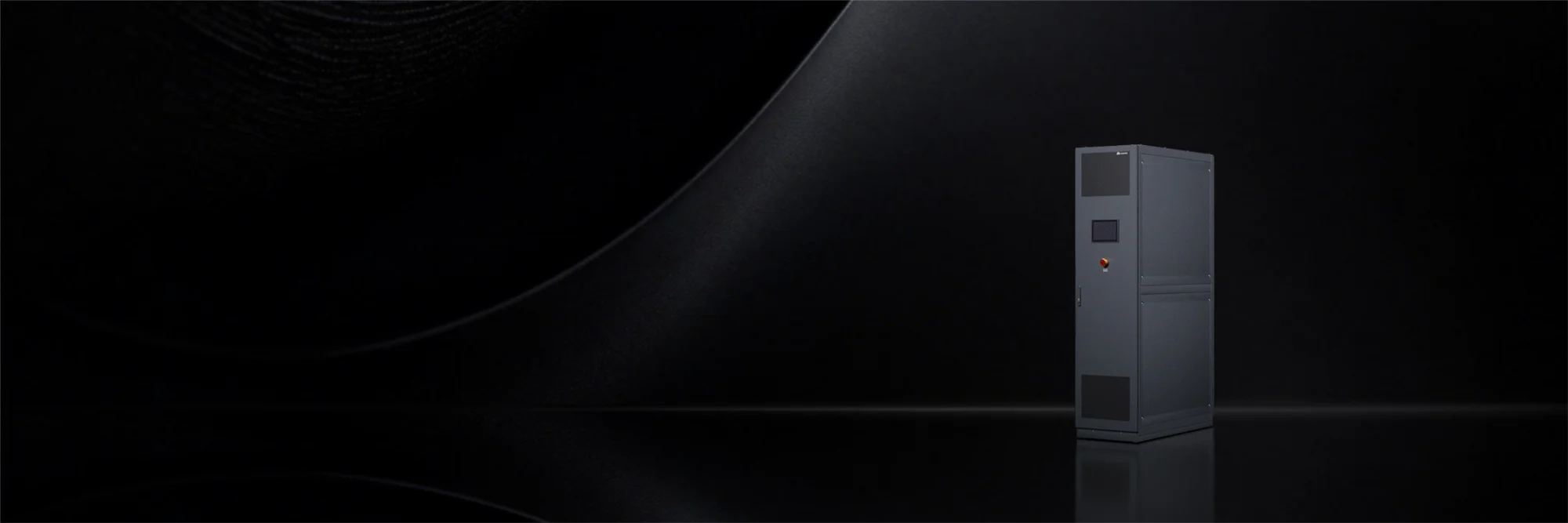
For AI training racks with changing accelerator utilization, equipment decisions must follow the required service and the conditions of the actual site. High-density server racks concentrate heat in a small floor area, so thermal engineering has to follow the IT load rather than rely on a room-wide temperature average. Smart cooling portfolios can combine precision in-row air handling, chilled-water circuits and liquid-cooling interfaces according to the equipment design. In this context, high density data center cooling brings together specific components and controls rather than a single isolated device.
At the rack level, the critical question is whether the cooling path can collect heat before hot exhaust recirculates toward server inlets. Equipment ratings, control policies and the responsibilities of the operating team should therefore be aligned before commissioning. A design assumption should be documented when it cannot yet be confirmed by measurements.
Cooling architecture at the rack
NetCol in-row units are among the smart-cooling products described in the manufacturer’s technical literature. Variable-capacity operation allows a unit to respond to changing loads instead of delivering a fixed output; the usable control range depends on the particular model and installation.
Control and heat rejection
Water-cooled arrangements connect rack-level or in-row heat collection to an external chilled-water or heat-rejection plant. Flow rate, entering-water temperature and available pressure are therefore design inputs, not details that can be fixed after the equipment is ordered.
Sensors placed at server inlets, coolant headers and major heat exchangers help operators distinguish an airflow issue from a refrigeration or hydraulic fault. Software alarms need thresholds and escalation paths that reflect the allowable operating envelope of the IT equipment.
Reliability and maintenance
For liquid systems, leak detection, water quality, filtration and planned access to connectors matter as much as headline cooling capacity. The cooling circuit should be commissioned through pressure testing, flushing and verification of alarms before sensitive servers are brought into service.
Maintenance teams need trend histories for differential pressure, temperature approach and unit runtime. A rising pressure drop may signal fouling or obstruction, while an unusual temperature difference can indicate insufficient flow or an altered server load.
Cooling reliability cannot be judged in isolation from the power path that feeds it. Pumps, fans and controllers need the same redundancy and serviceability as the servers they protect, so it helps to review both together; our checklist for evaluating modular power for long-term reliability covers the questions to ask about redundancy, hot-swap service and monitoring.
Deployment and operating value
A high-density zone should be sized around actual rack power, future IT configurations and the percentage of heat removed by liquid. Cooling capacity also has to account for transient load changes, local ambient conditions and the achievable temperature supplied by the heat-rejection plant.
Operational efficiency is best assessed from measured cooling electricity, IT energy and the supported computing workload. Manufacturer efficiency figures describe test conditions; a site result depends on temperature setpoints, redundancy strategy, weather and maintenance quality.
These considerations show why high density data center cooling should be specified by its architecture, operating limits and interfaces. The practical benefit is controlled heat removal close to the source. Precision cooling, airflow containment and liquid interfaces address different portions of the load, and no single component substitutes for an engineered thermal path. The final selection still depends on applicable standards, actual site conditions and model-specific documentation.